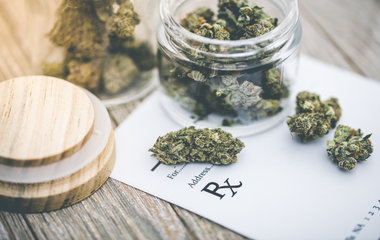
DARIEN, IL – New survey results from the American Academy of Sleep Medicine explore the complex relationship between marijuana use and sleep. One-third (33%) of adults reported that their sleep is slightly or significantly better when they use marijuana. In contrast, 19% of adults reported either no impact (11%) or that their sleep is worse when they use marijuana (8%), and 47% of respondents indicated that they don’t use marijuana.
Results show that there are gender and age differences in both marijuana use and its perceived impact on sleep. Over half of women (55%) reported no marijuana use, compared with 39% of men. Additionally, 39% of men reported sleeping better due to marijuana use, compared with 28% of women. Respondents between the ages of 25 and 44 years were most likely to report a beneficial effect of marijuana on sleep (45%), while older adults were less likely to report using marijuana.
“While many states now allow the recreational and medical use of marijuana, its impact on sleep is multi-faceted,” said AASM past president Dr. Kannan Ramar. “Use of marijuana and other cannabis products is also associated with several clinical concerns, including increased risks of daytime sleepiness, impaired driving performance, physical dependence, and withdrawal symptoms such as sleep disruption.”
Studies examining the impact of cannabis products on sleep have produced conflicting results. A recent systematic review did find that cannabinoids significantly improved self-reported sleep quality, but a recent study found that long-term daily cannabis use was associated with greater objective wakefulness during the night.
A recent pilot study suggests that these mixed results may reflect a psychological effect. It compared participants’ self-reported sleep outcomes with objective measures, finding that people who believed that cannabis would improve their sleep overestimated how early they fell asleep and how long they slept.
“Sleep is essential to health, so it is important to talk to a healthcare professional about any ongoing sleep concerns,” said Ramar. “Sleep specialists can provide evidence-based treatments for anyone who has insomnia or another sleep disorder.”
A recent data analysis by the Centers for Disease Control and Prevention shows that some people are regularly taking marijuana for insomnia. The CDC found that 3.7% of adults in the U.S. used marijuana or another cannabis product most days or every day in the past 30 days to help them fall or stay asleep.
AASM clinical practice guidelines indicate that the recommended treatment for chronic insomnia is cognitive behavioral therapy for insomnia. Another treatment option for insomnia is the use of certain prescription medications.
The AASM recommends the following practical tips to help you sleep better on a regular basis:
- Follow a consistent routine. Go to bed when you feel sleepy at night and wake up at the same time every morning, including weekends.
- Create a relaxing environment. Create a calming space for sleep by making your bedroom dark, quiet, and comfortably cool.
- Avoid sleep disruptors. Avoid caffeine, alcohol, and nicotine in the evening.
- Avoid screens before bedtime. As part of a relaxing bedtime routine, turn off electronics at least 30 to 60 minutes before going to bed.
- Incorporate relaxation techniques. Deep breathing, meditation, or journaling can be effective ways to calm and clear the mind before bedtime.
You should talk to your doctor if you’re having trouble falling asleep or staying asleep. Your doctor may refer you to a behavioral sleep medicine professional or an AASM-accredited sleep center for help.
###
View 2025 AASM Sleep Prioritization Survey results in the AASM newsroom. To arrange an interview with an AASM spokesperson, please contact the AASM at media@aasm.org.
About the Survey
The American Academy of Sleep Medicine commissioned an onlin3e survey of 2,007 adults in the U.S. The overall margin of error fell within +/- 2 percentage points with a confidence interval of 95 percent. Fieldwork took place between June 5-13, 2025, by Atomik Research, an independent market research agency.
About the American Academy of Sleep Medicine
Established in 1975, the AASM is a medical association that advances sleep care and enhances sleep health to improve lives. The AASM membership includes more than 9,500 physicians, scientists, and other health care professionals who help people who have sleep disorders. The AASM also accredits 2,300 sleep centers that are providing the highest quality of sleep care across the country.